
Talking with a friend recently about her experience as a COO, it became clear why she won awards and was promoted numerous times in her career. In a global company whose managers were using revenue as a measure of success, she opted for a more sustainable leadership style.
These are the leaders who allow their teams to grow and develop. They allow them to be recognized for their accomplishments. They collaborate and encourage. They strive to create balance among their workforce and give them a voice.
In short, it’s all about building a smarter workplace culture. Focusing on the enrichment and inclusion of your people builds a culture that empowers employees to try, to push back, to improve. Giving them a culture that fits their lifestyle and work needs builds a strong bond and helps them shine. That in turn allows the company to shine – in innovation, employee retention, hiring, and a healthier bottom line.
That’s because happier employees are more productive. University of Oxford researchers found that workers who are happy are 13% more productive. Remote work in particular gives organizations a productivity boost – another study shows remote workers demonstrate an additional 13% productivity increase over in-office workers[1].
Building a sustainable leadership model means understanding what your team members need. The best leaders work within these parameters:
Encourage different perspectives: Employees should feel comfortable sharing their ideas and solutions. The more diversity in the decision-making process, the more creative and innovative your team will be.
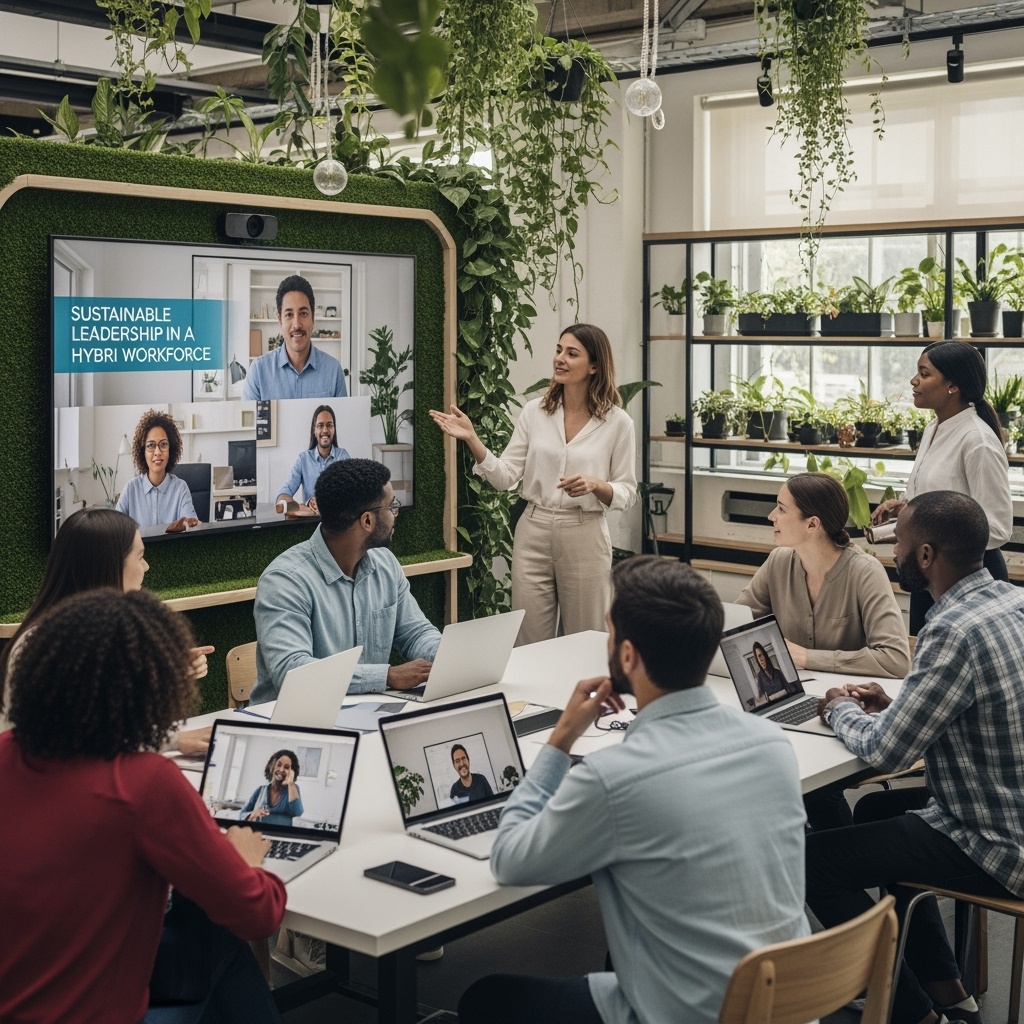
Foster a supportive workplace: Particularly with remote workers, the more you promote and engage with team members, the more supported they feel. Adapt your management approach to include more communication with all staff, especially those working remotely.
Manage less, collaborate more. Top-down management style rarely captures the full potential of the workforce. Instead of exerting authority, build relationships. Work with your teams to develop solutions and drive the successes of both individuals and the collective. Give remote workers ownership and responsibility of projects that have them collaborating with in-house teams. Make smart collaborations that connect disparate team members as often as possible.
Champion the good stuff. My friend started team meetings by having each employee list one good thing they accomplished that week. The goal is to recognize contributions first, which makes it easier to empower workers to solve problems and improve their weaknesses. It also helps workers in any location self-monitor and more readily report issues they may be struggling with.
Building a more collaborative, inclusive leadership style requires that we discard the top-down management approach. It requires rethinking how we approach our everyday decisions, and what role our workers have in those decisions. It means giving them a workplace culture that delivers the conditions they need to work at their best capacity.
When you build a culture that empowers your workers to excel, that’s building a sustainable, productive leadership that will deliver more of the same.
[1] Remote Work Productivity Soars: Latest Statistics Reveal What Actually Works – Business & Industry Canada








0 Comments