

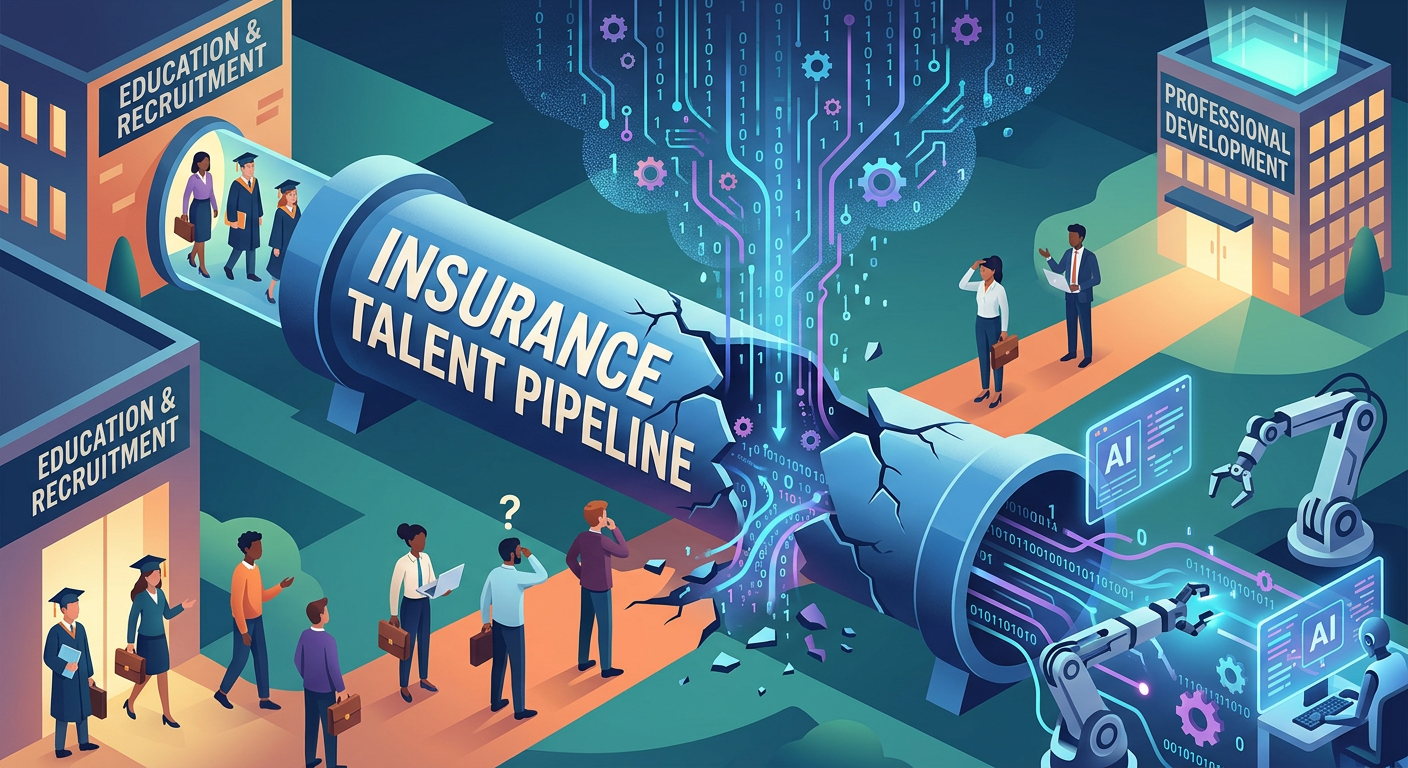
There’s been a lot of talk about how AI is going to take over jobs. But according to Korn Ferry, it’s not AI that’s going to replace workers—it’s people who know how to leverage AI who will replace those who don’t. And then it dawned on me that this would apply to those doing the hiring and firing, too: It’s going to be more and more important for organizations to add AI into their talent management toolkits.
After all, traditional workforce planning methods often fall short in responding quickly to shifts in demand, talent availability, or business priorities. In today’s uncertain economic climate, it’s extra-important that organizations have the right number of people with the right skills in the right roles. That’s where AI can make a huge impact.
For example, AI tools can:
- Pricely forcast demand. Artificial intelligenceexcels at spotting patterns across vast datasets—something that’s incredibly valuable for predicting workforce needs. By analyzing historical trends, market activity, seasonal cycles, and even economic indicators, AI can help HR teams and operations leaders forecast future labor demand more accurately.
- Better identify skills gaps and training opportunities. AI can analyze current workforce capabilities against future business goals to uncover critical skills gaps. This helps firms decide whether to recruit new talent or invest in upskilling existing staff.
- Reduce bias in hiring and promotions. AI can support fairer staffing decisions by removing unconscious human bias from candidate screening and performance evaluations. When trained and audited correctly, AI models can help companies identify high-potential employees based on objective data, not personal preferences or outdated assumptions.
By automating time-consuming tasks and offering deeper insights, AI can enable talent teams to focus on what matters most: aligning people strategy with business strategy.
What are some ways your organization is utilizing AI to improve your workforce management?







0 Comments