
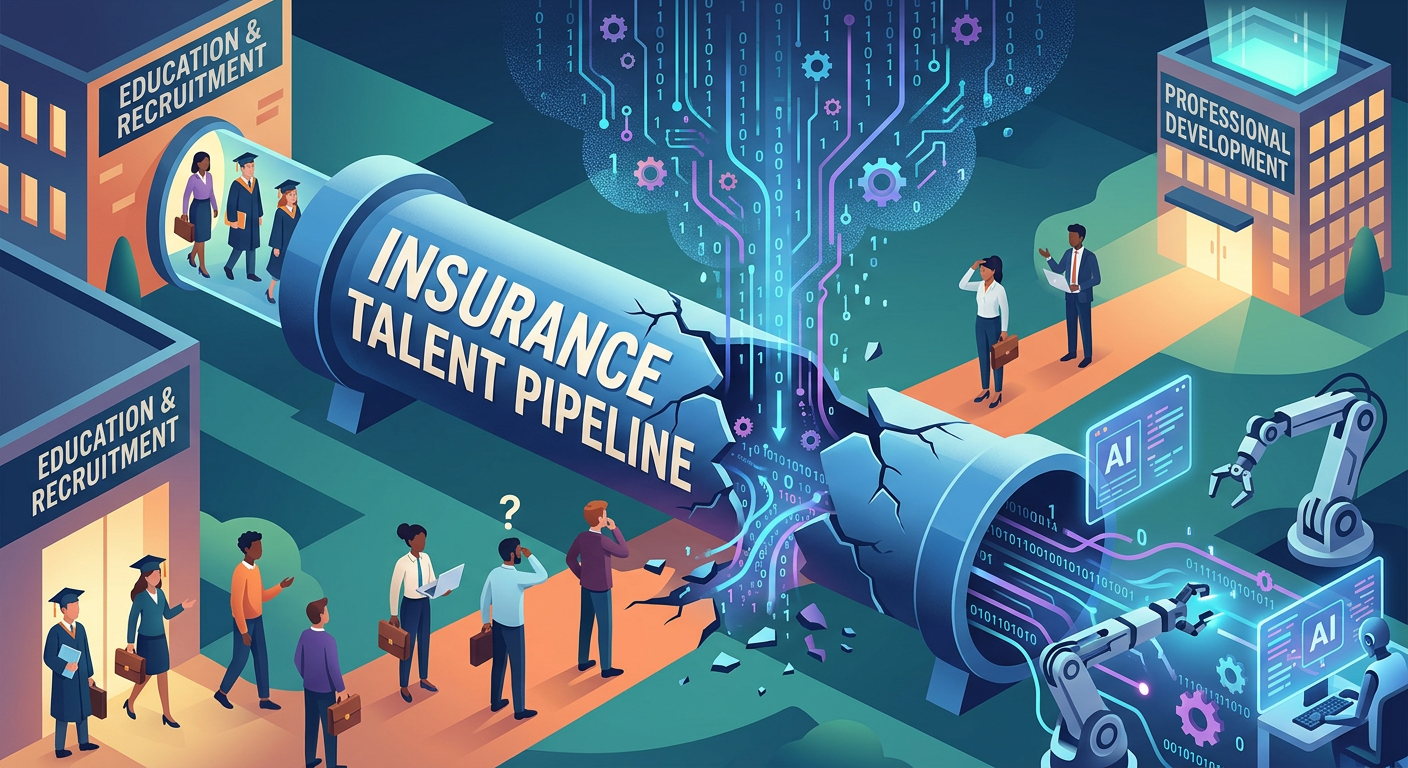
For years, insurance leaders have talked about the industry’s looming talent shortage. But today, the conversation is evolving. It’s no longer just about replacing retiring workers—it’s about understanding what the next generation of insurance professionals wants from their careers and how our industry needs to adapt to attract and retain them.
At the same time, another major shift is reshaping the workforce conversation: artificial intelligence. AI is not simply changing how insurers operate—it’s redefining the skills insurance organizations need from their employees. As automation handles more routine administrative tasks, the value of human skills like critical thinking, relationship management, communication, judgment and adaptability is increasing.
I came across a recent article that highlights just how important this shift has become. According to the Bureau of Labor Statistics, only 26% of insurance industry employees were under the age of 35 in 2024, compared to 34% of the overall U.S. workforce. That gap underscores a growing challenge for insurers: attracting younger talent into the industry and developing them into future leaders.
At the same time, Generation Z is no longer simply an entry-level workforce. Born between 1997 and 2012, many Gen Z professionals are now approaching 30 and advancing into management roles, taking on greater leadership responsibilities. In fact, nearly 20% of Gen Z workers are already considered workplace decision-makers. That means insurers can’t afford to think about this generation solely as interns or recent graduates. They are becoming supervisors, managers and key contributors shaping workplace culture and business strategy.
So, what brings in these younger workers—and keeps them engaged? Many are looking for more than a paycheck and a title. They want flexibility. They want mentorship. They want meaningful work and opportunities to learn and grow. They also bring strong digital skills and a comfort level with technology that can help insurers modernize operations faster than ever before.
That technology fluency is becoming increasingly important as AI tools become embedded across underwriting, claims, customer service, compliance and back-office operations. Employees entering the industry today will need to know how to work alongside AI, interpret data insights, evaluate automated recommendations and focus on higher-value client interactions. The insurance professionals of the future will likely spend less time on repetitive processing and more time solving problems, building relationships and making strategic decisions.
This evolution also changes how insurers should think about hiring and development. Technical knowledge alone will not be enough. Organizations will need employees who are curious, adaptable and willing to continuously learn as technology evolves. Upskilling and reskilling are quickly becoming business necessities, not optional training initiatives.
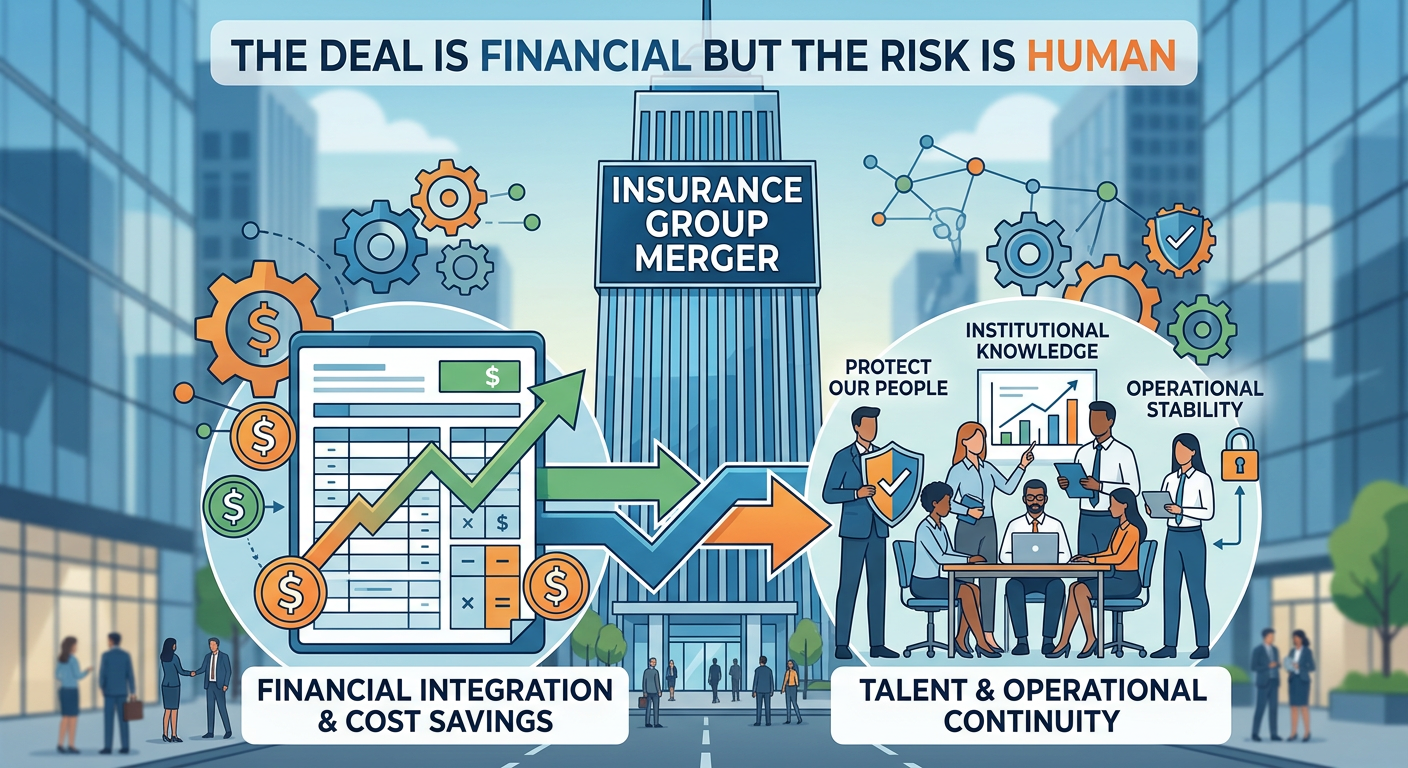
At the same time, our industry is facing a significant wave of retirements. Many organizations are watching decades of institutional knowledge walk out the door while struggling to attract enough new talent to replace it. That creates real pressure for leadership teams trying to maintain service levels, support growth and prepare the next generation of leaders.
The good news is that many insurers are responding proactively. We’re seeing more investment in mentorship programs, leadership development, skills-based hiring, digital training initiatives and flexible work arrangements. Companies are beginning to recognize that talent strategy is no longer just an HR initiative—it’s a core business strategy tied directly to innovation and long-term competitiveness.
This is also where staffing partners like WAHVE can play an important role. Access to experienced remote insurance professionals—including retired and semi-retired experts—can help carriers, agencies and brokerages fill talent gaps, transfer institutional knowledge and mentor younger employees navigating a rapidly changing workplace. Experienced professionals also provide valuable business judgment and industry expertise that AI alone cannot replace.
The insurance organizations that thrive in the years ahead will likely be the ones that embrace both workforce evolution and technological transformation instead of resisting them. The future insurance workforce will combine experienced industry expertise, emerging digital capabilities and AI-enabled productivity. And the companies that successfully blend those elements together will be best positioned to compete in the next era of insurance.
Because the future of insurance talent is already here—and it looks very different than it did even five years ago.








0 Comments