
A new Korn Ferry report on strategic workforce planning couldn’t have landed at a more fitting moment.
For years, insurance hiring has been reactive—fill the open requisition, move on, repeat. But that model is breaking down. As the report emphasizes, strategic workforce planning is about ensuring “the right people, with the right skills, [enter] the right roles at the right time.” For hiring managers, that’s not theory—it’s a mandate.
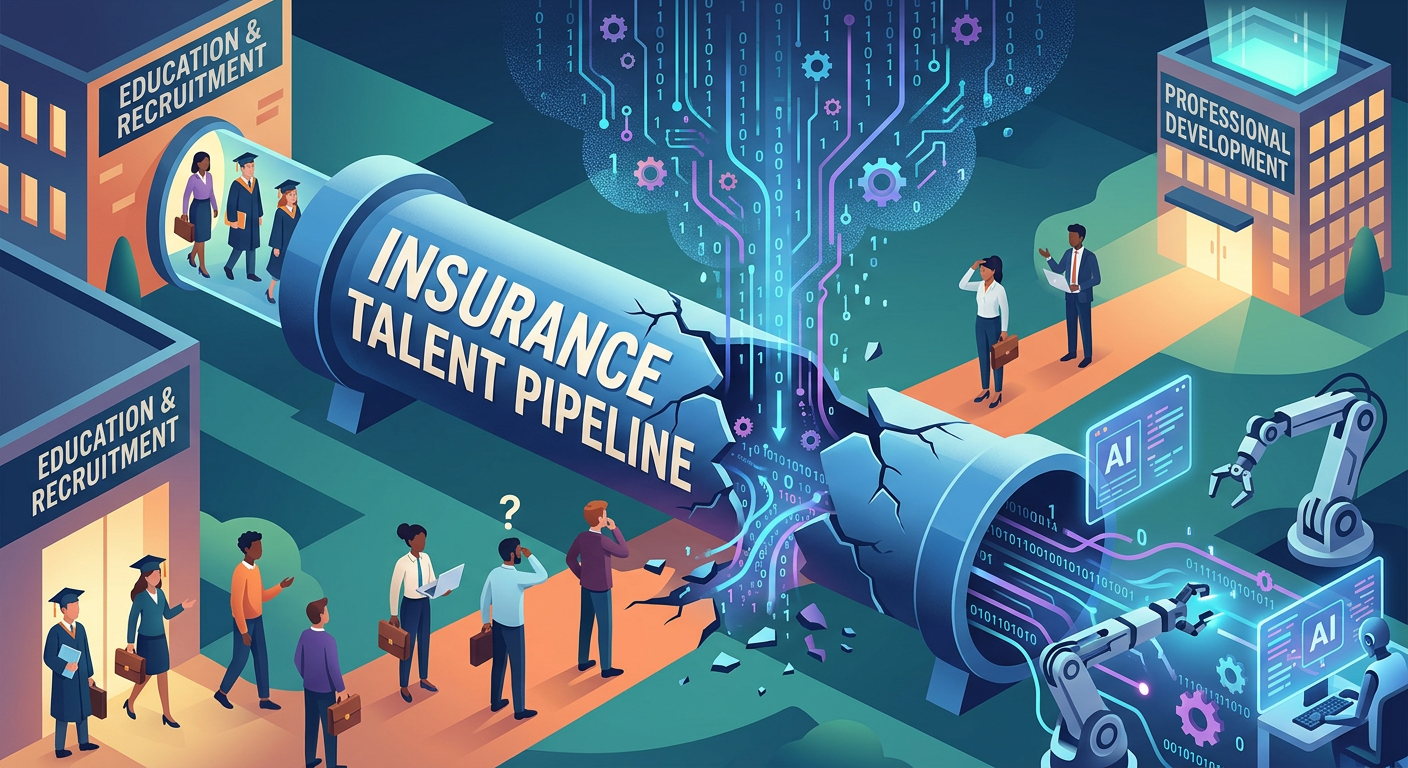
We’re feeling the pressure from multiple directions. Skill requirements are evolving quickly, especially with AI and data analytics reshaping underwriting, claims, and distribution. At the same time, experienced talent is retiring, and entry-level pipelines are thinner than they used to be. These rapidly changing skill needs and talent shortages are making it harder than ever to find the right people.
This is where partners like WAHVE become indispensable. Rather than competing in an increasingly tight market for full-time hires, hiring managers can tap into a curated pool of experienced, often retired insurance professionals on a flexible basis. That allows organizations to quickly fill capability gaps without the long lead times of traditional hiring.
What also stands out in the report is the shift from roles to skills. Job titles used to be a reliable proxy for capability. That’s no longer true. Today, we need underwriters who can interpret data models, claims professionals who can work alongside automation, and leaders who can translate analytics into business decisions. Workforce planning forces us to define those capabilities upfront—before the requisition even opens. A partner like WAHVE aligns well with this skills-based model by matching highly specific skill sets to targeted needs, rather than simply filling generic roles.
The emphasis on data is equally important. Too often, hiring decisions are based on urgency rather than insight. Strategic workforce planning pushes us to forecast where gaps will emerge and align hiring with long-term business goals. Flexible talent partners can support this by providing on-demand expertise during peak workloads, system implementations, or transformation initiatives—helping hiring managers stay aligned with plan rather than reacting to short-term pressure.
Perhaps most critically, the Korn Ferry report reinforces that hiring can’t sit in an HR silo. Business leaders must be directly involved. When workforce planning is tied to growth strategy, hiring becomes more targeted, more efficient, and ultimately more impactful.
The takeaway is clear: We need to stop chasing talent needs and start anticipating them. And increasingly, that means blending traditional hiring with flexible, experience-rich talent models to stay competitive in a rapidly evolving market.
What are some ways you’re strategically managing your workforce—both now and for the future?








0 Comments