
An ancient metaphor warns against pouring new wine into old wineskins. As new wine ferments, it expands. An old wineskin, already stretched and rigid, cannot accommodate that growth. Eventually, it splits—and both the container and its contents are lost.
Artificial intelligence is the new wine. Yet many organizations are pouring it into jobs, workflows, and management practices designed for another era.
Giving employees AI tools and expecting an automatic surge in productivity is shortsighted. If the same meetings, approval processes, handoffs, job descriptions, and performance expectations remain in place, the promised transformation will never materialize.
To realize AI’s full potential, organizations cannot simply automate yesterday’s work. They must rethink the work itself.
Adding AI Is Not the Same as Transforming Work
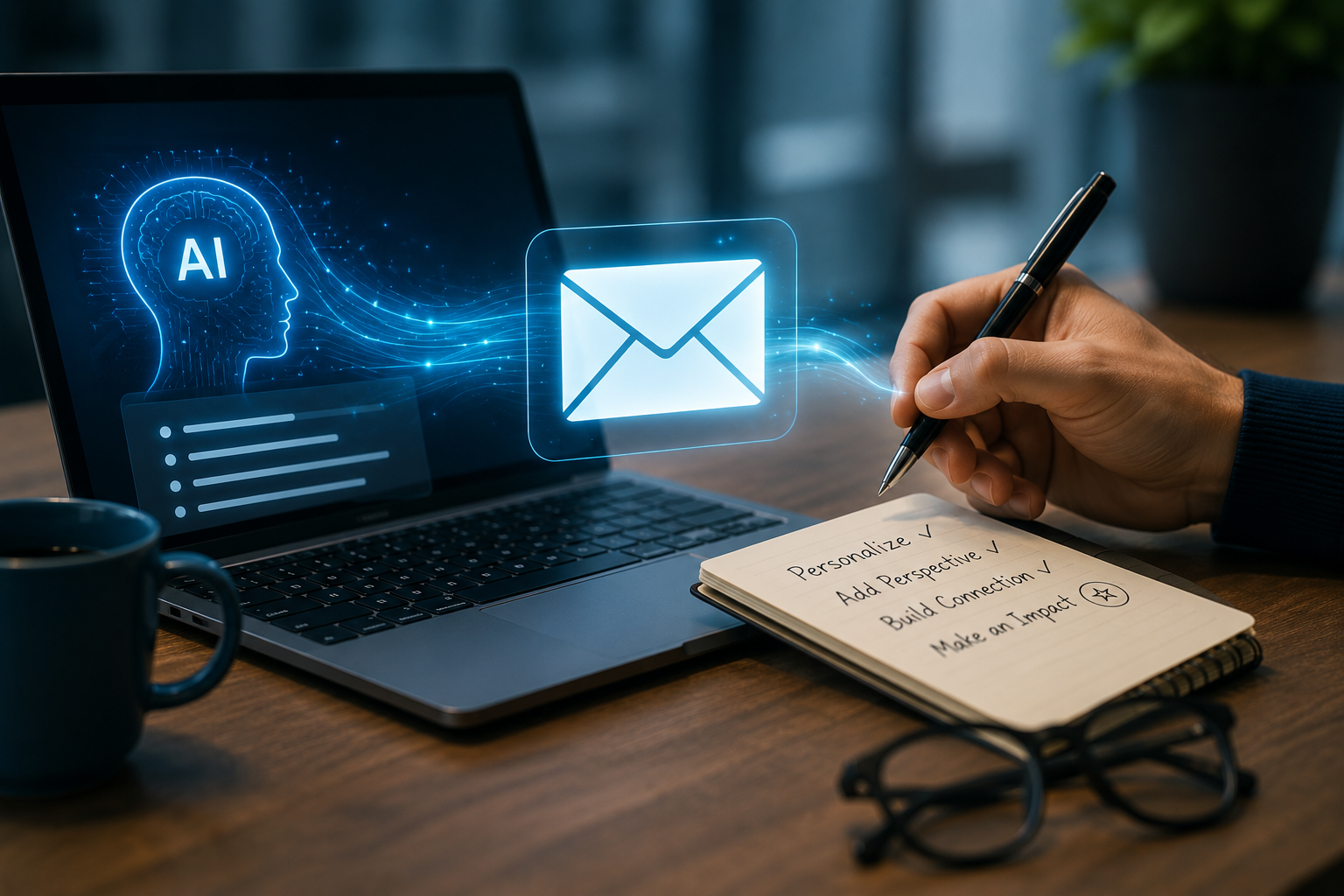
Most organizations begin by using AI to complete existing tasks faster. It can draft emails, summarize documents, analyze data, prepare reports, capture meeting notes, and conduct research.
Those applications can save time, but they represent only the first stage of AI adoption.
The larger opportunity is to examine the entire workflow and ask:
- Does this task still need to exist?
- Could the process be redesigned?
- Which steps can AI handle?
- Where is human judgment essential?
- What higher-value work becomes possible when routine tasks take less time?
- Do we still have the right roles and staffing model?
Automating individual tasks while leaving the surrounding workflow untouched may produce pockets of efficiency. But sometimes it merely allows an outdated process to move faster—not better.
That is old-wineskin thinking.
Build Work Around the Strengths of Technology and People
AI can process enormous amounts of information, identify patterns, generate first drafts, summarize material, and handle repetitive administrative work.
People remain essential for interpreting ambiguity, understanding context, exercising judgment, building trust, managing relationships, and making decisions with real-world consequences.
The goal should not be to force AI into every part of a job—or to remove people indiscriminately. It should be to create a better division of labor.
Consider an insurance professional who once spent hours gathering information, entering data, searching documents, and preparing routine communications. With AI handling more of that work, the professional can focus on advising clients, resolving complex problems, mentoring colleagues, strengthening relationships, and identifying emerging risks.
That is more than a more efficient version of the same job. It is a different—and potentially more valuable—job.
Job Descriptions and Performance Measures Must Change
Traditional job descriptions often become collections of tasks accumulated over time. New responsibilities are added, but outdated ones are rarely removed.
AI gives organizations an opportunity to examine every role and determine:
- What AI can perform with appropriate oversight
- What employees can accomplish more effectively with AI support
- What requires human expertise, empathy, or accountability
- What should be eliminated
- What new responsibilities should replace the work that disappears
That review will inevitably lead to redesigned positions, shifting responsibilities, and changing skill requirements.
Performance measures must evolve as well. If AI can produce a routine report in minutes, the number of reports completed is no longer a meaningful measure of employee value.
The better questions are whether the employee identified the right risks, drew the right conclusions, made a sound recommendation, and helped the organization act.
Value shifts from production to judgment—and that makes knowledge and experience even more important.
Staffing Models Must Evolve, Too
Redesigning work also requires organizations to reconsider how they access talent.
The traditional response to every capacity problem has been to hire another full-time employee from the local market. That approach will remain appropriate for some roles, but it will not fit every AI-enabled workforce need.
AI will change workloads in different ways. Some tasks will require fewer hours. Others will demand more specialized expertise. Certain needs may be temporary, tied to a backlog, transition, business cycle, or specific initiative. The required skills may also be difficult to find locally.
The future workforce will likely combine:
- Core employees
- AI-enabled roles
- Remote professionals
- Experienced contract talent
- Project-based specialists
- Direct hires sourced nationally
This is not about replacing employees with a loose collection of tools and contractors. It is about building the right workforce around the changing needs of the business.
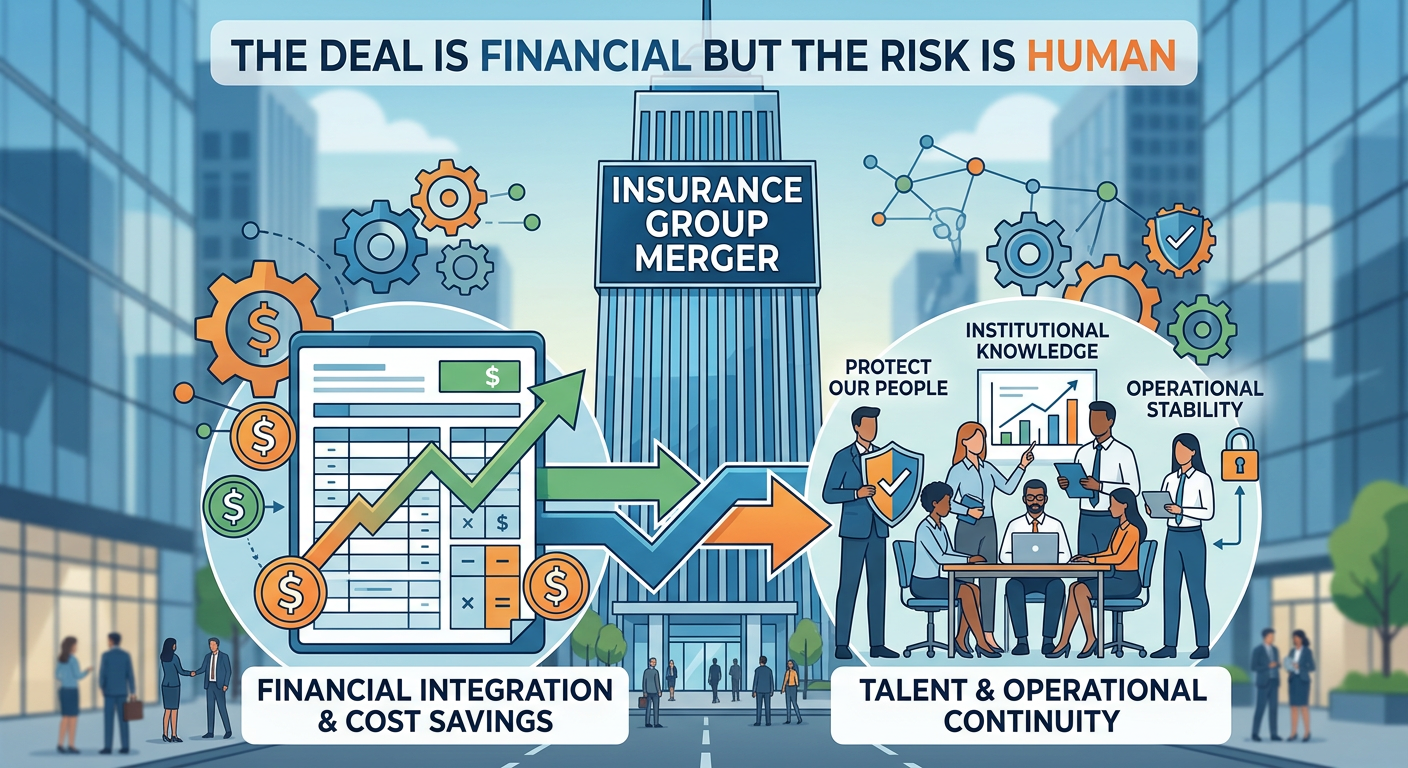
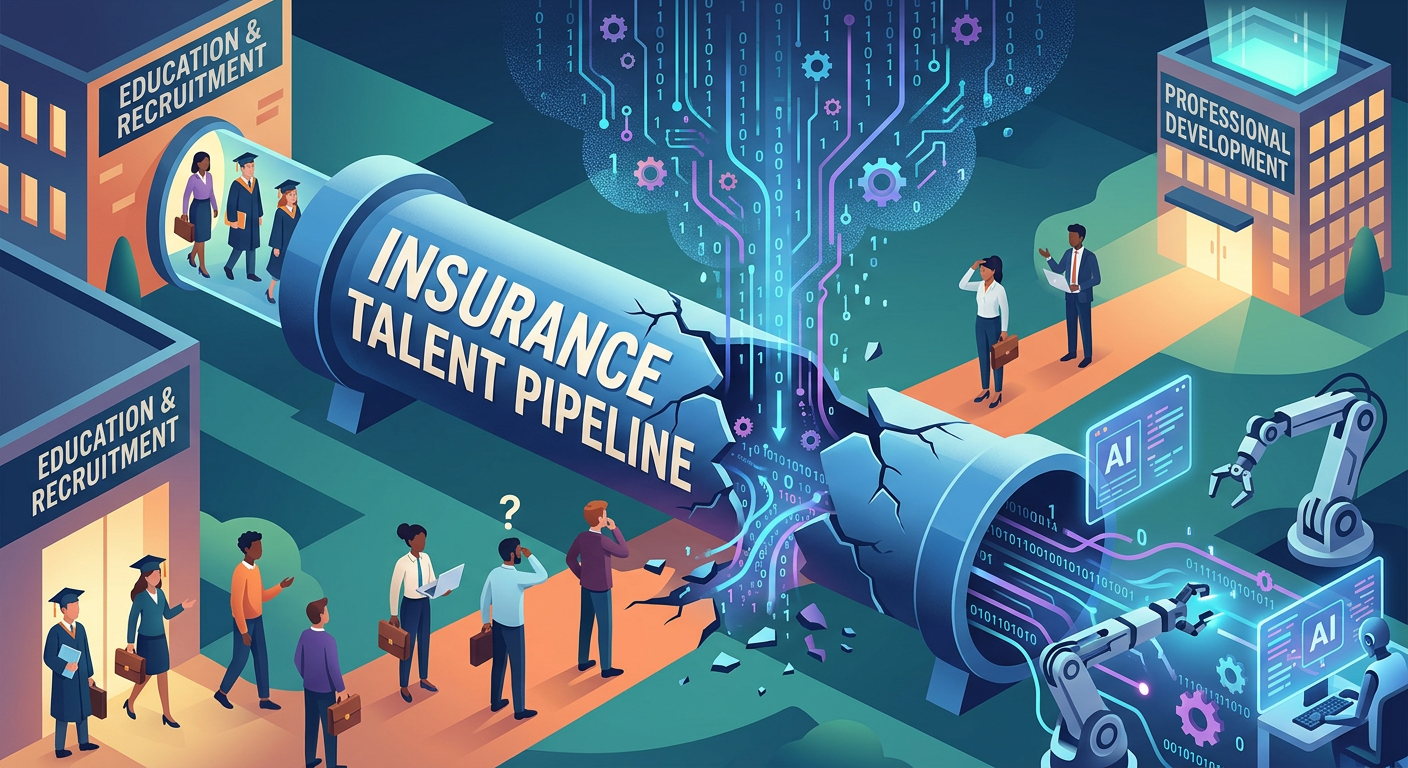
For insurance organizations, this distinction is especially important. AI can process information and automate routine activity, but it cannot instantly create decades of underwriting, claims, compliance, service, or agency experience.
As routine tasks become automated, experienced professionals may become more valuable. They can evaluate AI-generated output, recognize exceptions, coach less-experienced employees, and apply judgment developed over years in the industry.
AI may expose capacity and knowledge gaps. It does not eliminate the need for expertise.
Leaders Must Build the New Wineskins
Leaders cannot treat AI as another software implementation. Purchasing a tool, providing basic training, and measuring usage may be a start, but it will not transform the organization.
They must question assumptions about how work is organized, where it is performed, who performs it, and how value is measured.
Employees should also be involved in the redesign. The people closest to the work often know which processes create unnecessary friction, which tasks add little value, and where better tools could make the greatest difference.
That involvement also influences how employees experience AI. If every hour saved is immediately filled with more of the same work, AI will feel like another way to squeeze out more production. If that time is redirected toward meaningful, higher-value responsibilities, AI can improve both organizational performance and the employee experience.
The Real Opportunity
The future of work will not be created by pouring AI into yesterday’s job descriptions.
It will be created by organizations willing to eliminate work that no longer adds value, redesign roles around human strengths, and develop more flexible ways to access the talent and expertise they need.
AI offers enormous potential. But capturing that potential requires more than installing new technology. It requires new workflows, new expectations, new skills, new roles, and new staffing strategies.
New wine needs new wineskins.
Organizations that understand this will do more than use AI to work faster. They will use it to build a fundamentally better way of working.






0 Comments