The pressure to “do something with AI” is everywhere. Leaders hear about it from boards, investors, vendors and competitors. New tools are demonstrated as if they can transform an organization overnight—and, in some cases, eliminate the need for experienced employees.
But adopting AI is not the same as building an AI strategy.
Julie Averill, former chief information officer of Lululemon, recently made that distinction in a New York Times opinion essay. Her argument was direct: Impressive demonstrations often fall apart when they encounter the messy reality of established businesses—fragmented data, legacy systems, inconsistent processes and decisions shaped by years of institutional knowledge.
Insurance organizations know that reality particularly well.
AI can process large volumes of information, identify patterns, automate repetitive work and help teams move faster. Across insurance, it is already being applied to functions including underwriting, policy servicing, claims administration and fraud detection. But speed alone does not produce better decisions. The technology must be trained on reliable data, integrated into real workflows and governed by people who understand the business consequences of its output.
That is where many AI initiatives stall.
A 2025 report from MIT’s Project NANDA found that only a small share of the enterprise generative-AI pilots it studied produced measurable business impact. The problem was not simply the technology. Organizations struggled to connect new tools with existing workflows, data and operating practices.
The lesson is not that AI is overhyped or that insurance organizations should resist it. The lesson is that technology cannot compensate for missing context, weak processes or a lack of experienced judgment.
In insurance, context matters. A system may recognize a pattern in a claims file, but an experienced professional understands why the pattern matters. It may summarize a policy or compare data points, but it cannot independently assume responsibility for regulatory compliance, client relationships, ethical judgment or the exceptions that rarely appear in a standard operating procedure.
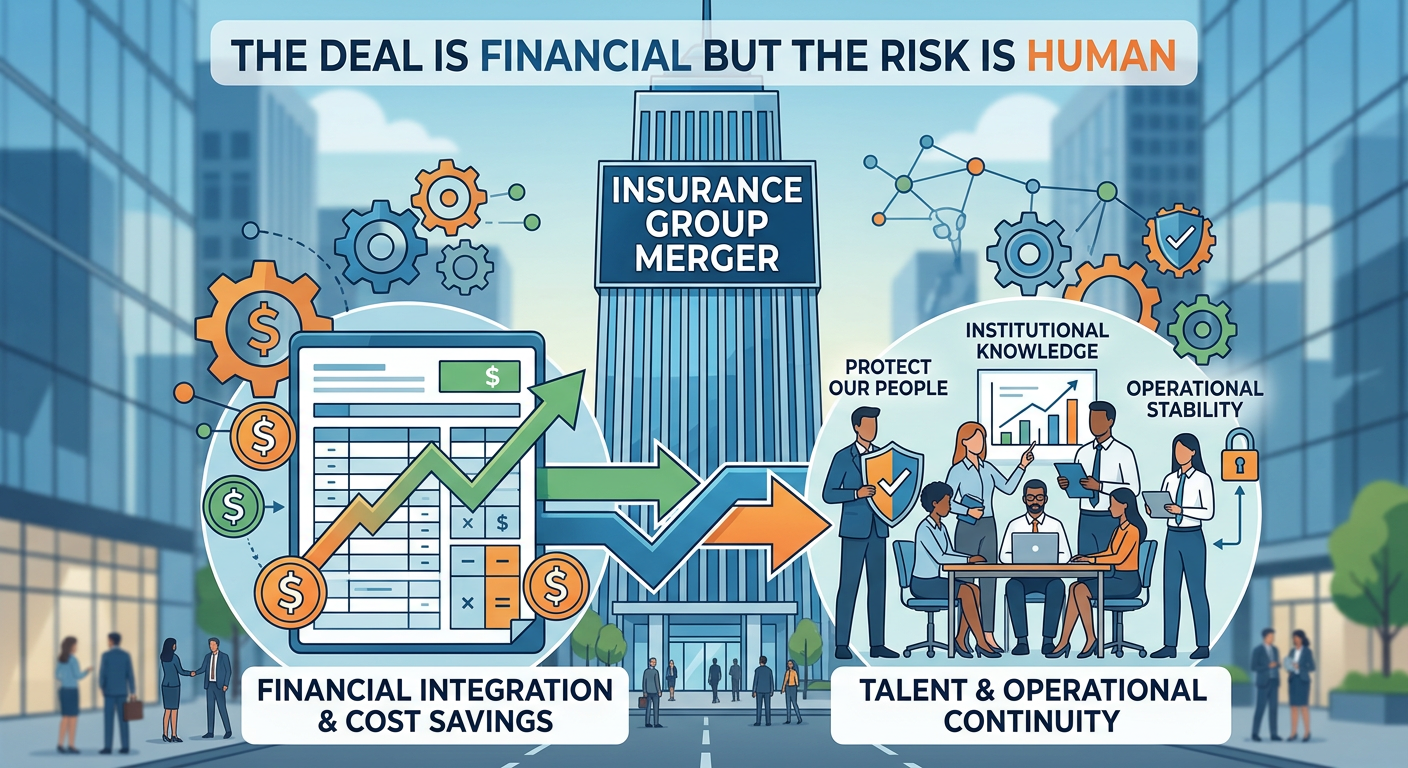
That knowledge often resides with professionals who have spent decades working in underwriting, claims, account management, compliance and operations. Losing that expertise before workflows are redesigned does not make an organization more innovative. It can create new operational risk while placing even more pressure on the employees who remain.
The strongest workforce strategy is therefore not people or AI. It is experienced people working effectively with AI.
Used well, AI can reduce administrative friction and give insurance professionals more time for the work that requires judgment, communication and trust. Experienced employees can also help organizations decide where automation belongs, validate outputs and identify the moments when human intervention is essential.
AI does not reduce the need for talent. It raises the bar on who organizations need—and where they need them. Technology can increase speed, but experienced professionals help ensure the work is done accurately, responsibly and with the client in mind.
For insurance leaders, the question is no longer simply, “How are we using AI?” A better question is: “Do we have the experienced people and operating discipline needed to turn AI into meaningful business results?”
Build a workforce strategy that combines AI-enabled efficiency with proven insurance expertise. Talk with WAHVE about adding experienced professionals where your organization needs them most.








0 Comments