
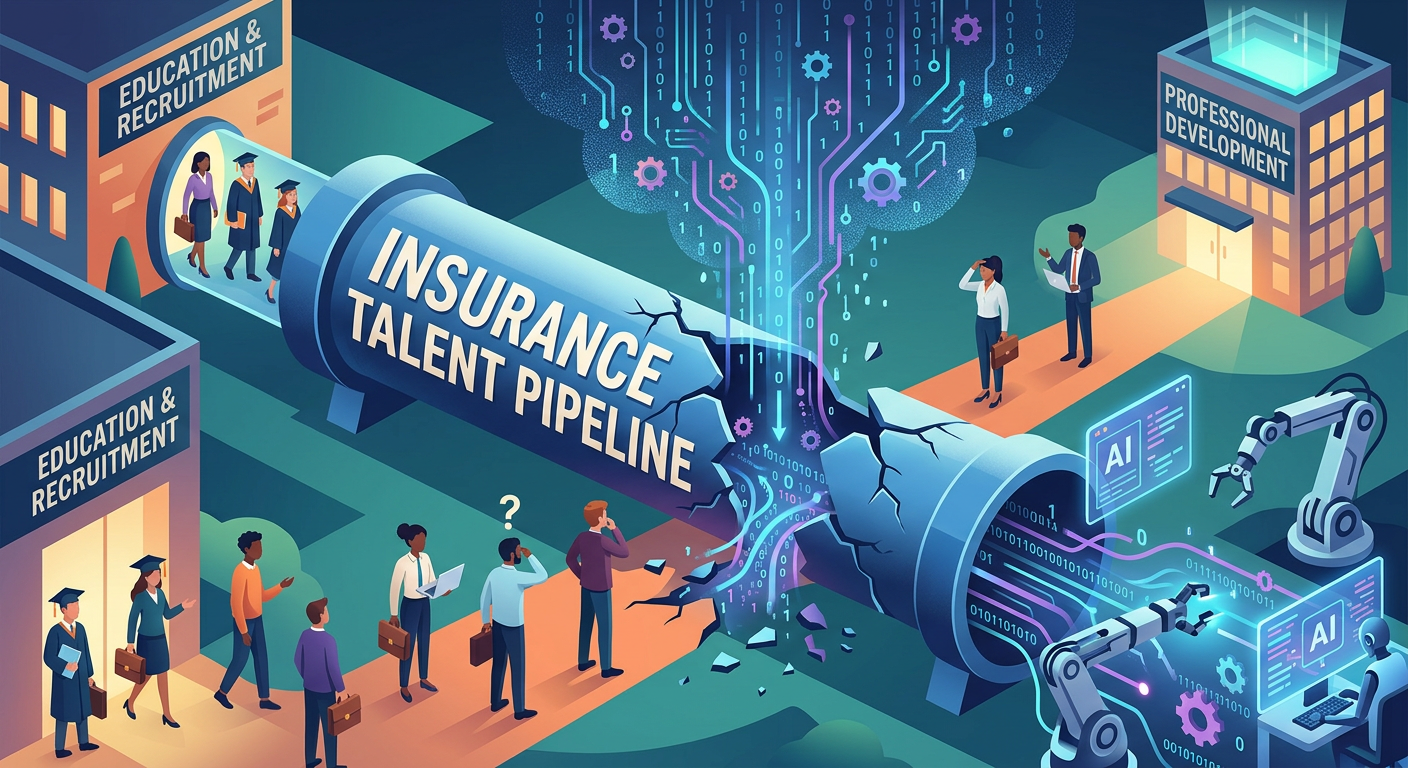
As experienced insurance professionals retire, organizations face two connected challenges: bringing new people into the industry and passing along the knowledge they need to succeed. Gen Z can help build that future, but employers must give young professionals a clearer picture of where they fit.
As a Gen Z college student preparing to enter the workforce, I see an industry with opportunities that many of my peers rarely hear about. Insurance offers work that involves technology, analytical thinking, relationship building, and helping people through difficult moments. Yet those possibilities are not always visible to students making career decisions.
To attract younger talent, insurance organizations need to make those careers easier to understand and offer a credible path to learning and advancement.
Help Young Professionals See Where They Fit
In its 2025 research, Cake & Arrow found that 79% of Gen Z respondents had never considered a career in insurance. Its report, Why Gen Z Is Ambivalent About Working in Insurance, identifies barriers including outdated workplace cultures, limited flexibility, and unclear career paths.
That points to a challenge that more job postings alone will not solve. Employers need to explain what the work involves and demonstrate why it is worth considering.
Start with the range of opportunities. A student interested in data might explore underwriting or analytics. Someone drawn to problem-solving and helping others might find a fit in claims or account management. Students studying marketing, finance, or technology should be able to see how their interests connect to insurance.
Make those connections explicit. Explain what someone would do, what they would learn, and how their responsibilities could grow. Job titles and industry terminology rarely tell that story on their own.
Show What Purpose and Growth Look Like
Insurance has a compelling purpose: helping people and businesses manage risk and recover from loss. Employers can make that purpose tangible by showing how everyday work contributes to it.
Share examples of employees helping a business reopen after a loss or helping a client understand a coverage decision. Protect client privacy, but give candidates a realistic sense of the judgment, care, and responsibility the work requires.
Then connect that purpose to the employee experience. Explain how new hires receive feedback, develop skills, and prepare for greater responsibility. Be clear about compensation, benefits, and flexibility. If a role requires a license or designation, describe the support available to earn it.
These details give young professionals something concrete to evaluate. A promise of “career growth” means more when candidates can see how people actually advance.
Reach Students Before They Begin Their Job Search
As a current college student, I have noticed that insurance is rarely presented as a prominent career option on campus. Employers have an opportunity to change that by building relationships before students start applying for full-time roles.
Partner with colleges, community colleges, and student organizations beyond insurance programs. Offer paid internships with meaningful assignments, invite employees to discuss their career paths, and give students opportunities to ask candid questions about the work.
Use social media to extend those conversations. Let early-career employees explain a project, describe something they learned, or show how an experienced colleague helped them solve a problem. Choose platforms based on the students you want to reach and the content you can maintain consistently.
A realistic introduction to the work can help students picture themselves in a role. It also gives employers a chance to listen and learn what candidates find appealing, confusing, or discouraging.
Give New Talent Room to Contribute and Learn
Younger employees can bring useful perspectives on digital tools and the expectations of emerging customers. Growing up with technology, however, does not automatically translate into expertise in workplace systems or insurance. Skills vary within every generation.
Invite new employees to suggest improvements and involve them in projects where their interests and abilities can contribute. Pair that opportunity with training in insurance fundamentals, client service, and the organization’s standards for using technology.
Mentorship can make that learning more practical. Experienced colleagues can explain the reasoning behind a coverage question, a claims decision, or a client conversation. That context helps newer employees develop judgment as well as technical knowledge.
Make mentorship part of the work schedule. Set aside time to review real situations, encourage questions, and document useful lessons. New employees should know whom to ask for help, and mentors should have the capacity to provide it.
Build Teams That Carry Experience Forward
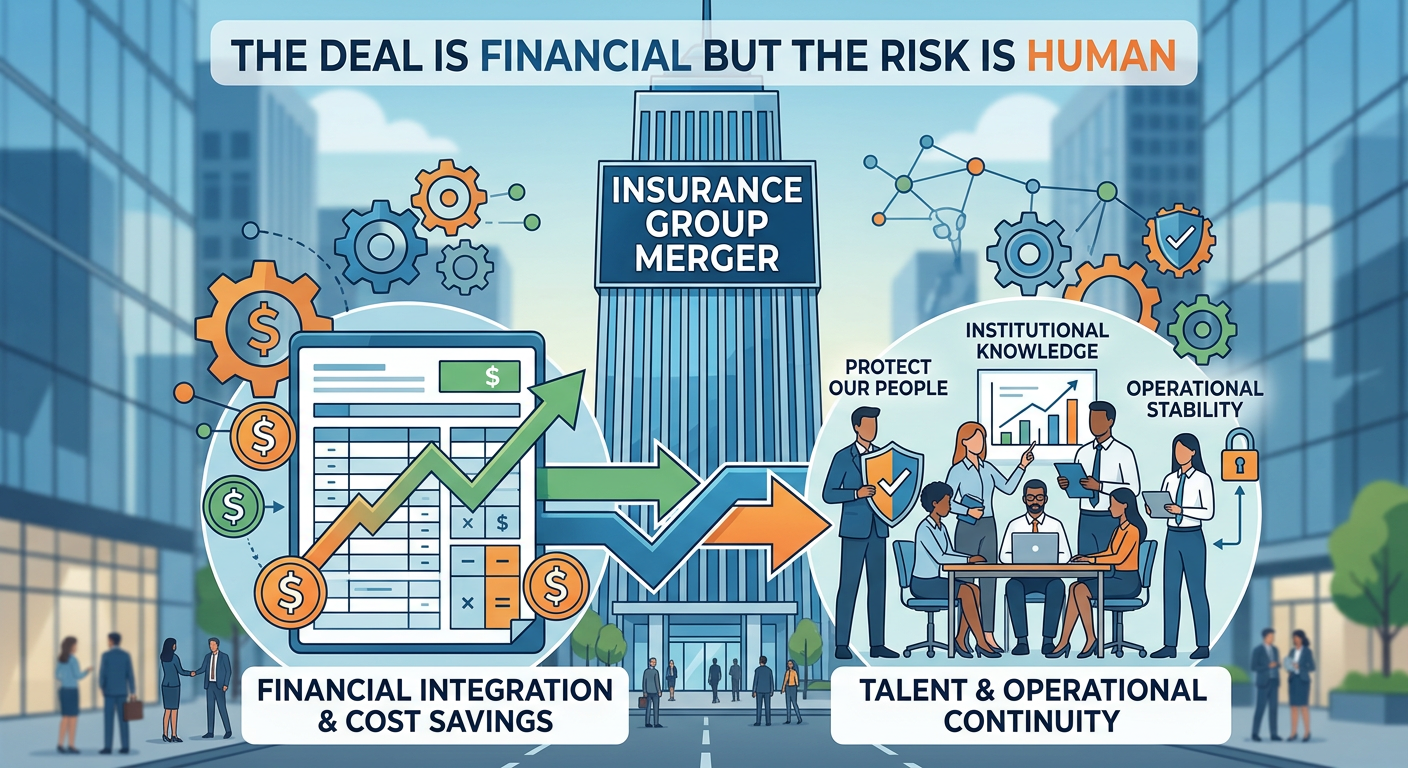
Attracting Gen Z and preserving insurance expertise belong in the same workforce plan. New employees need opportunities to develop, while organizations need experienced people who can support the work and help knowledge move across generations.
Through WAHVE’s Vintage Contract Staffing solution, insurance organizations can access experienced remote contract professionals to support their teams. Where an assignment allows, that experience can also help newer employees build their insurance knowledge and skills.
For insurance employers, a useful place to start is the experience of one new employee. Can that person see a future with your organization, understand how to get there, and count on someone to help them learn? Answering those questions can turn an initial interest in insurance into a lasting career.








0 Comments